A Travel Guide to Ipoh, Malaysia’s Hidden Gem City
Ipoh, the capital of Perak state, is one of Malaysia’s most underrated destinations. Once a booming tin mining town that rivaled Kuala Lumpur in wealth and importance, Ipoh has transformed into a charming heritage city known for its British colonial architecture, incredible food scene, stunning limestone caves, and vibrant street art.
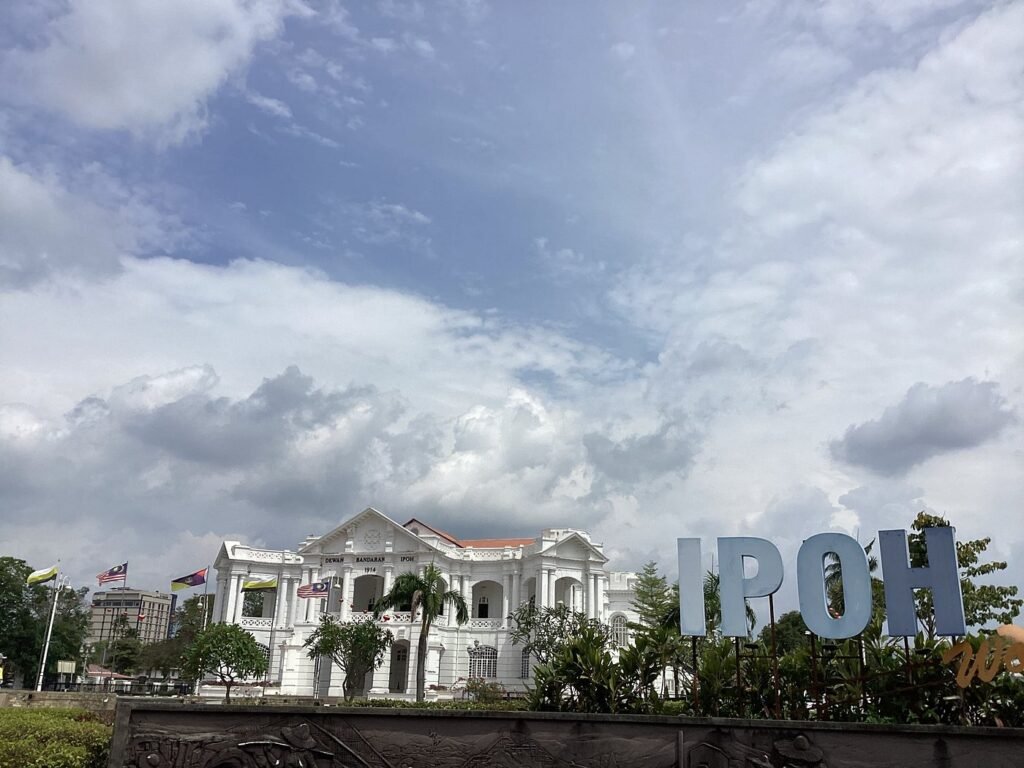
While many travelers rush straight from Penang to Kuala Lumpur, those who stop in Ipoh are rewarded with a laid-back atmosphere, authentic local experiences, and some of the best food in Malaysia – particularly the famous Ipoh white coffee.
In this comprehensive guide, I’ll cover everything you need to know for visiting Ipoh, including the must-see attractions in Old Town and New Town, how to explore the surrounding limestone caves and temples, where to stay, how to plan your itinerary, and most importantly, what to eat in this culinary paradise.
Ipoh History
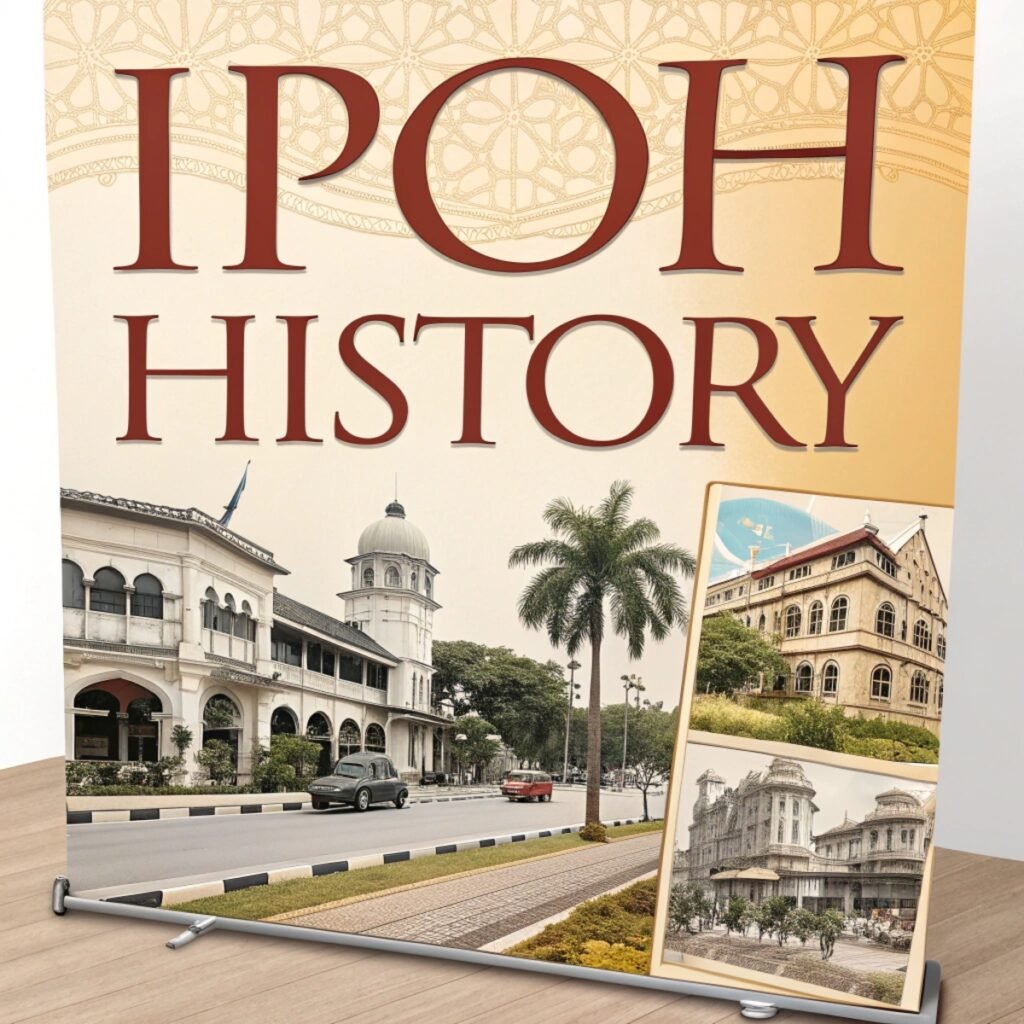
Ipoh’s story is one of boom, bust, and beautiful transformation.
The city’s name comes from the poisonous Ipoh tree (Antiaris toxicaria), which Indigenous Orang Asli people used to coat their blowdart tips. The actual settlement began in the 1880s when tin was discovered in the Kinta Valley, triggering a mining rush that would make Ipoh one of the wealthiest cities in Southeast Asia.
During the tin boom from the 1880s to 1930s, Chinese migrants flooded into Ipoh seeking fortune. British colonizers also arrived, establishing their administrative presence and building the grand colonial buildings that still define Ipoh’s skyline today. The Hakka Chinese, in particular, dominated the tin mining industry, and their influence is still felt throughout the city.
By the 1920s and 1930s, Ipoh was Malaysia’s second-largest city, nicknamed “the City of Millionaires.” Wealthy tin tycoons built ornate mansions and shophouses in a distinctive architectural style that blended Chinese, British, and Malay influences. This wealth also attracted the best chefs and artisans, establishing Ipoh’s reputation for excellent food – a reputation it maintains to this day.
The Japanese occupation during World War II brought hardship, but Ipoh recovered after the war. However, the tin mining industry began its decline in the 1970s and collapsed entirely in the 1980s due to falling tin prices and depleted mines. The open-pit mines left massive lakes surrounded by limestone hills, which have since become tourist attractions.
As the tin industry died, Ipoh fell into a sleepy decline. Many young people moved to Kuala Lumpur for opportunities, and the city seemed frozen in time. But in recent years, Ipoh has experienced a renaissance. The heritage shophouses have been restored, hipster cafés have moved into colonial buildings, and street art has brought new life to Old Town.
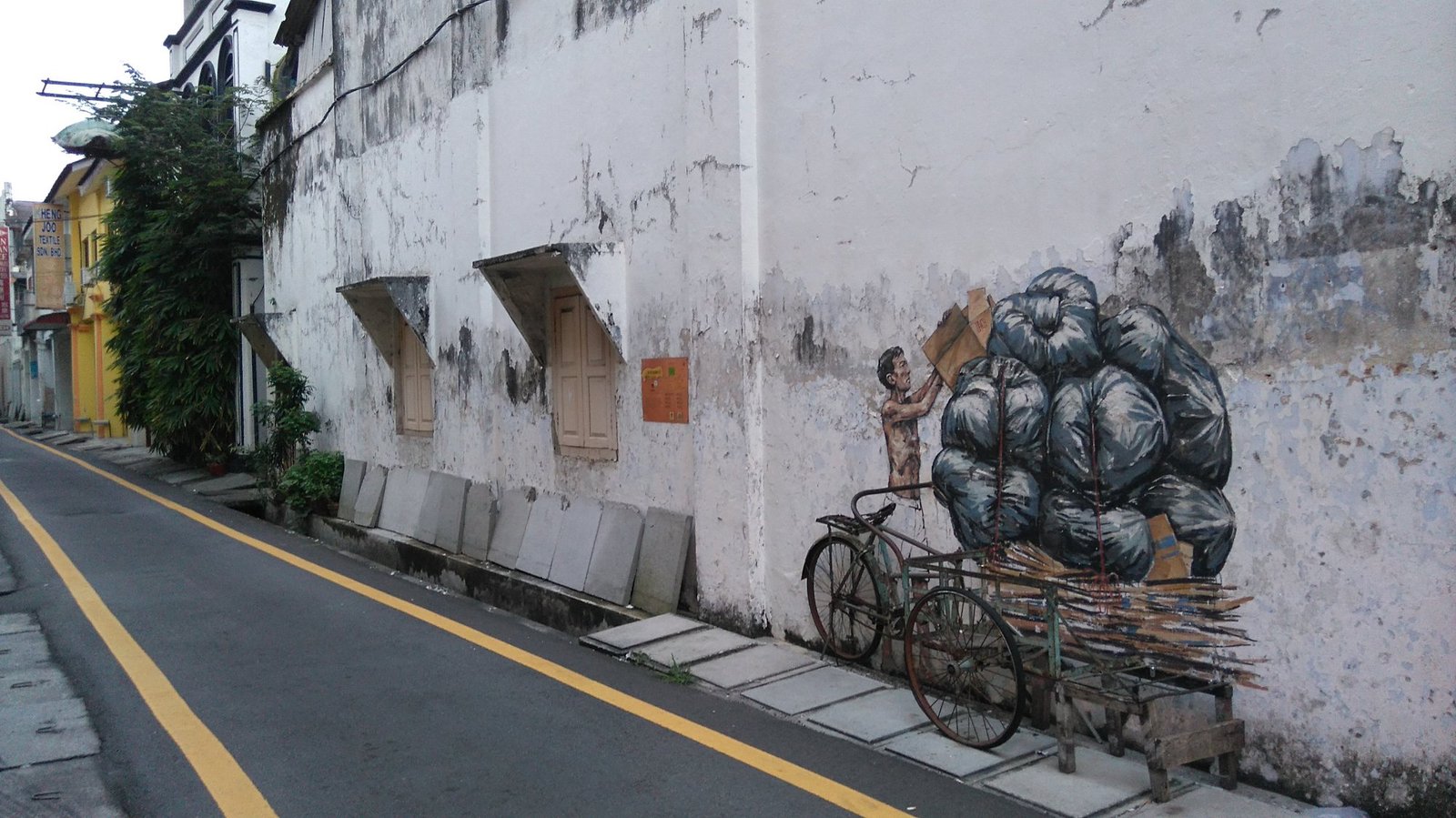
Today’s Ipoh is a perfect blend of old and new – a heritage city that honors its past while embracing a creative, contemporary future.
Getting to Ipoh
Ipoh is conveniently located between Kuala Lumpur and Penang on Malaysia’s west coast, making it an easy stop on most peninsular Malaysia itineraries.
By Train
The most comfortable way to reach Ipoh is by train. The ETS (Electric Train Service) connects Ipoh to Kuala Lumpur (2-2.5 hours), Penang/Butterworth (1.5 hours), and other cities along the west coast. The trains are modern, air-conditioned, and comfortable.
Ipoh’s train station itself is worth seeing – this grand colonial-era “Taj Mahal of Ipoh” features stunning Moorish architecture with domes and arches. Book ETS tickets in advance on the KTMB website or at the station.
By Bus
Buses to Ipoh run frequently from Kuala Lumpur (3 hours), Penang (3 hours), and Cameron Highlands (2.5-3 hours). The main bus terminal is Aman Jaya Bus Terminal, located about 15 minutes north of the city center. Grab or taxi to your accommodation from there costs about RM15-20.
You can book bus tickets online through platforms like BusOnlineTicket or 12Go Asia.
By Car
If you’re driving, Ipoh is about 200km north of Kuala Lumpur via the North-South Expressway (E1). The drive takes 2-2.5 hours. Ipoh is also convenient as a base for exploring the surrounding region, including Kellie’s Castle and the Royal Belum rainforest.
By Plane
Ipoh has a small airport (Sultan Azlan Shah Airport) with limited domestic flights. Most international travelers will fly into Kuala Lumpur or Penang and take ground transportation to Ipoh.
Where to Stay in Ipoh
Old Town (Heritage Area)
Staying in Old Town puts you right in the heart of Ipoh’s heritage district, within walking distance of street art, colonial buildings, and the best food stalls.
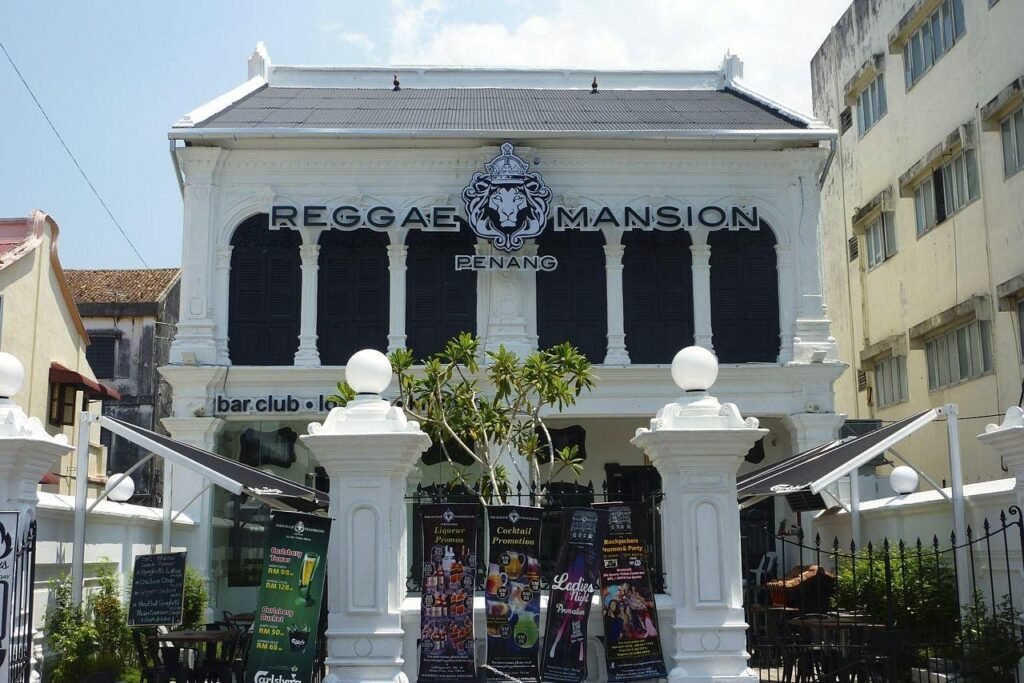
Budget: Reggae Mansion Ipoh (see on Booking / Agoda) is a fun hostel in a restored heritage building with dorms and private rooms.
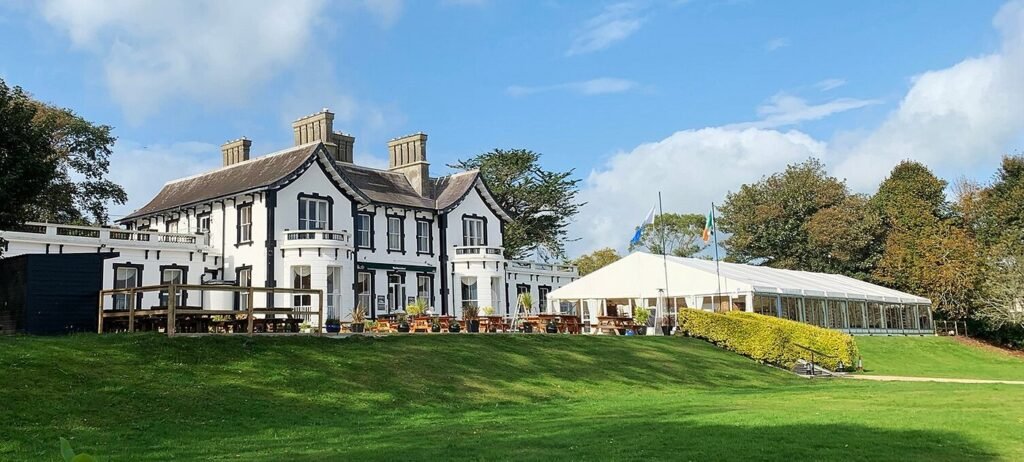
Mid-Range: The Haven Resort Hotel (see on Booking / Agoda) offers excellent value with a swimming pool and location near Ipoh Parade mall.
Boutique: Sekeping Kong Heng (see on Booking / Agoda) is a stunning boutique hotel set in a renovated 1960s shophouse, designed by a famous Malaysian architect.
Luxury: The Banjaran Hotsprings Retreat (see on Booking / Agoda) is a 5-star resort built around natural hot springs and caves on the outskirts of Ipoh – perfect for a splurge.
New Town
New Town is quieter and more residential but still has plenty of food options and is close to the train station.
Value Option: WEIL Hotel (see on Booking / Agoda) is modern, clean, and centrally located with good breakfast.
Mid-Range: The Leverage Business Hotel (see on Booking / Agoda) offers spacious rooms near the train station.

Top Things to Do in Ipoh
I’ll separate the attractions into Ipoh Old Town, New Town, Cave Temples, and areas outside the city center.
Ipoh Old Town
Old Town is the historical heart of Ipoh, with British colonial architecture, heritage shophouses, street art, and the city’s best food scene. Most attractions are easily walkable.
Ipoh Railway Station
Even if you’re not arriving by train, visit this stunning 1917 colonial building nicknamed “The Taj Mahal of Ipoh.” The Moorish architecture features brilliant white façade, domes, and arches. It’s free to walk around and take photos.
Ipoh Town Hall & Old Post Office
Near the railway station, these colonial-era buildings showcase impressive British architecture. The Old Post Office, built in 1916, has been converted into a trendy food court and café called Roquette.
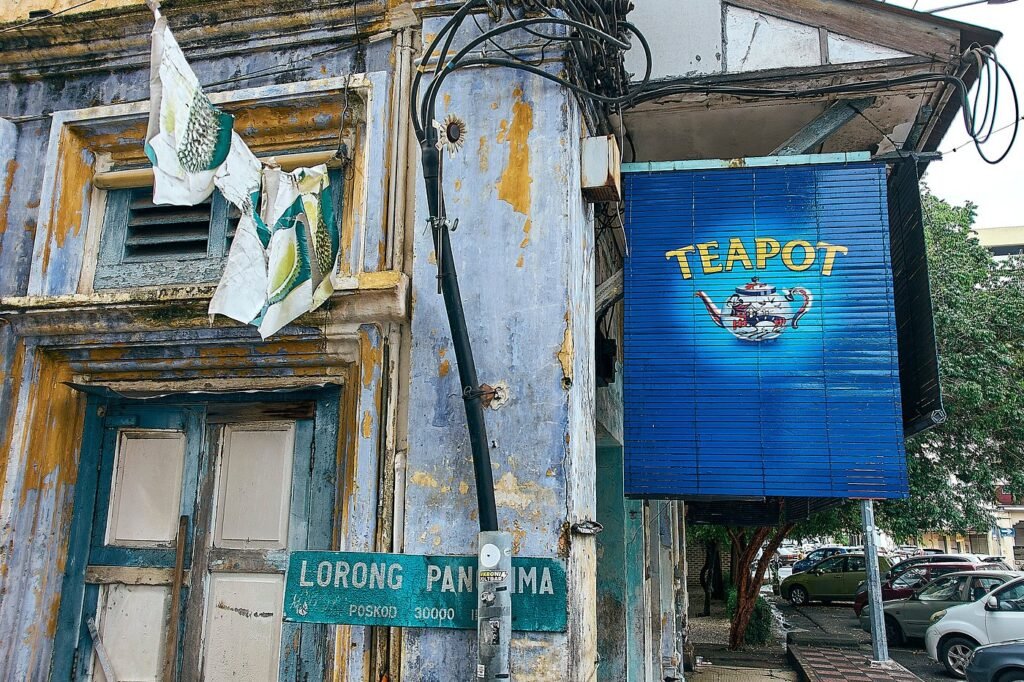
Concubine Lane (Lorong Panglima)
This narrow alleyway supposedly housed the concubines of wealthy tin miners in the old days. Today it’s a touristy but charming street lined with souvenir shops, cafés, and snack vendors. It’s especially atmospheric in the evening when lanterns are lit.
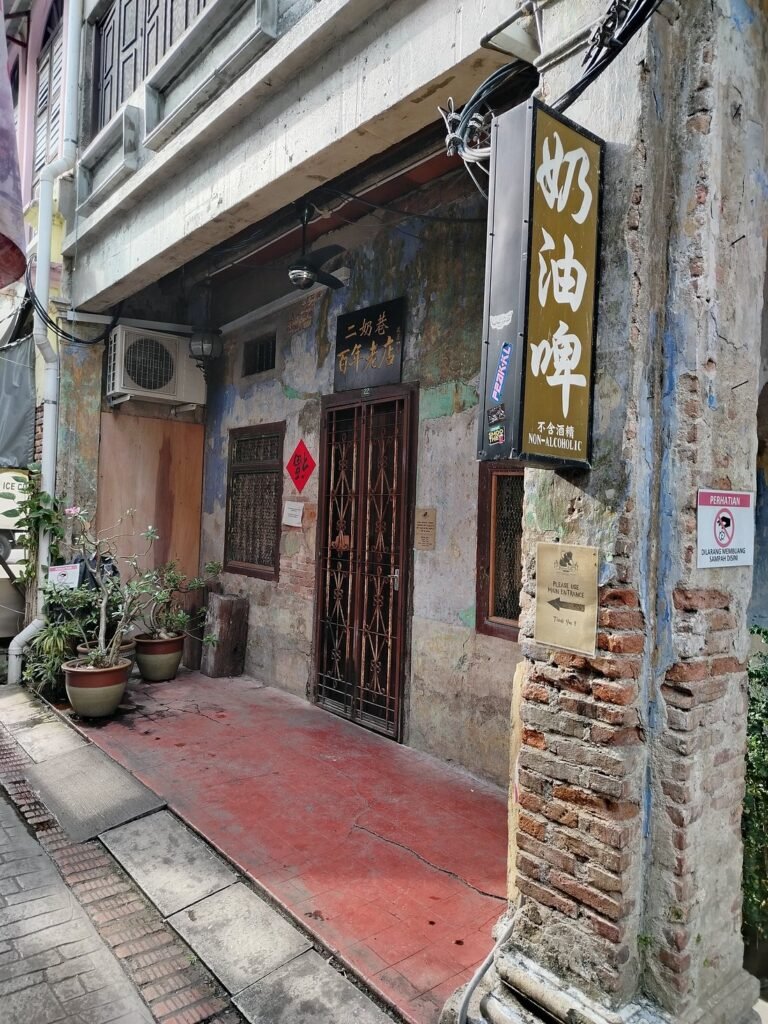
Street Art
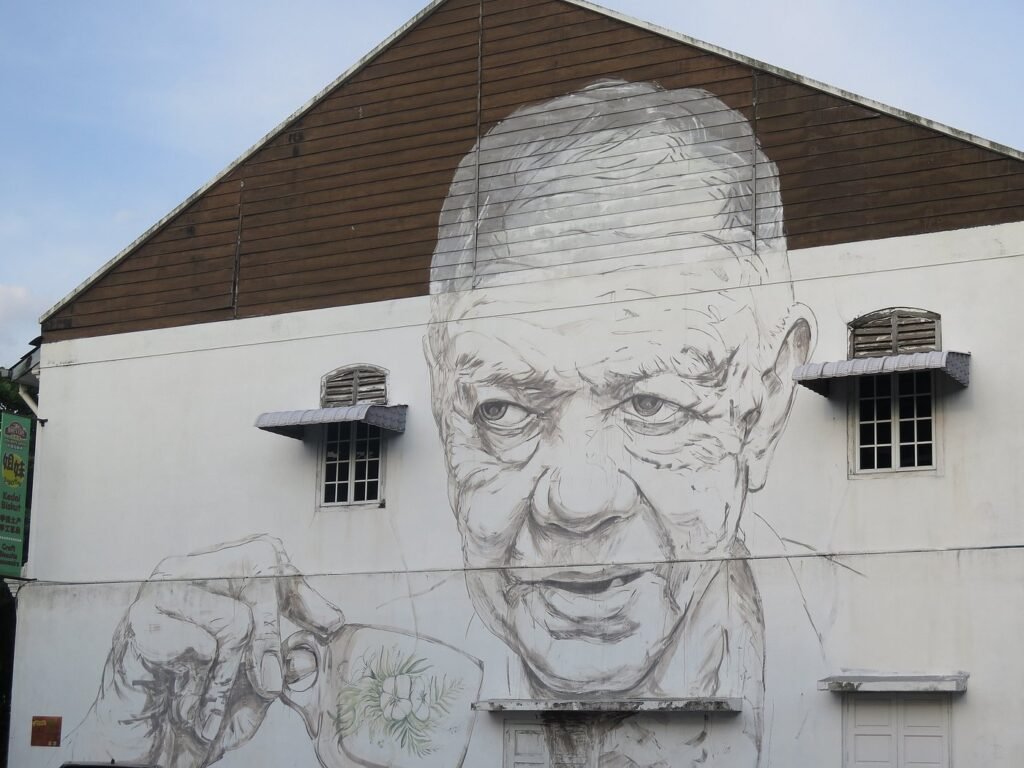
Inspired by Penang’s famous murals, Ipoh has developed its own street art scene. The most famous pieces are concentrated around Jalan Panglima and Jalan Bijeh Timah. Look for the “Old Uncle with Coffee” mural, “Evolution,” and various other pieces by Lithuanian artist Ernest Zacharevic and local artists.
Unlike Penang’s painted murals, many of Ipoh’s pieces are made of steel installations that create 3D effects – perfect for Instagram photos!
Kong Heng Block
This row of heritage shophouses has been beautifully restored and now houses hipster cafés, restaurants, and shops. Plan B (cocktail bar), Burps & Giggles (craft beer), and Kong Heng Coffee Shop are all here.
Ipoh Murals Organization (IMAGO)
This is the center for Ipoh’s street art movement, located in a heritage building. You can visit the gallery, get a map of all the street art locations, and sometimes watch artists at work.
Han Chin Pet Soo
This museum in a restored tin mining building tells the story of Hakka tin miners and the Hakka community’s impact on Ipoh. The building itself is gorgeous, with exhibits on tin mining equipment and processes. Entry is about RM5.
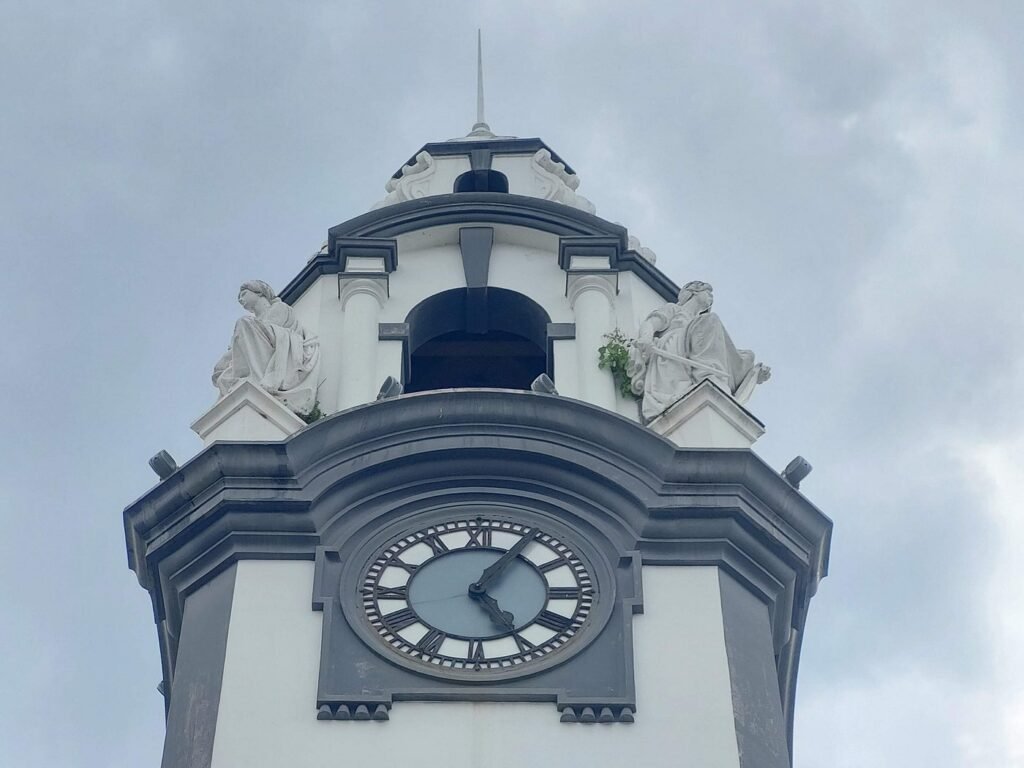
Birch Memorial Clock Tower
This 1909 clock tower commemorates James W.W. Birch, the first British Resident of Perak (who was assassinated). It’s a good landmark for orienting yourself in Old Town.
Ipoh New Town
Across the Kinta River from Old Town, New Town is less touristy but has its own attractions and excellent food options.
Ipoh Night Market (Pasar Malam)
Different neighborhoods host night markets on different nights of the week. The Tuesday night market on Jalan Cecil Rae and Saturday night market on Jalan Dato Lau Pak Khuan are the most popular. Browse stalls selling everything from fresh produce to clothes, and grab dinner from hawker stalls.
Ipoh Padang (Town Square)
This large open field is surrounded by colonial buildings and is a pleasant spot for an evening walk or jog. On weekends, you might catch cricket matches or other community events.
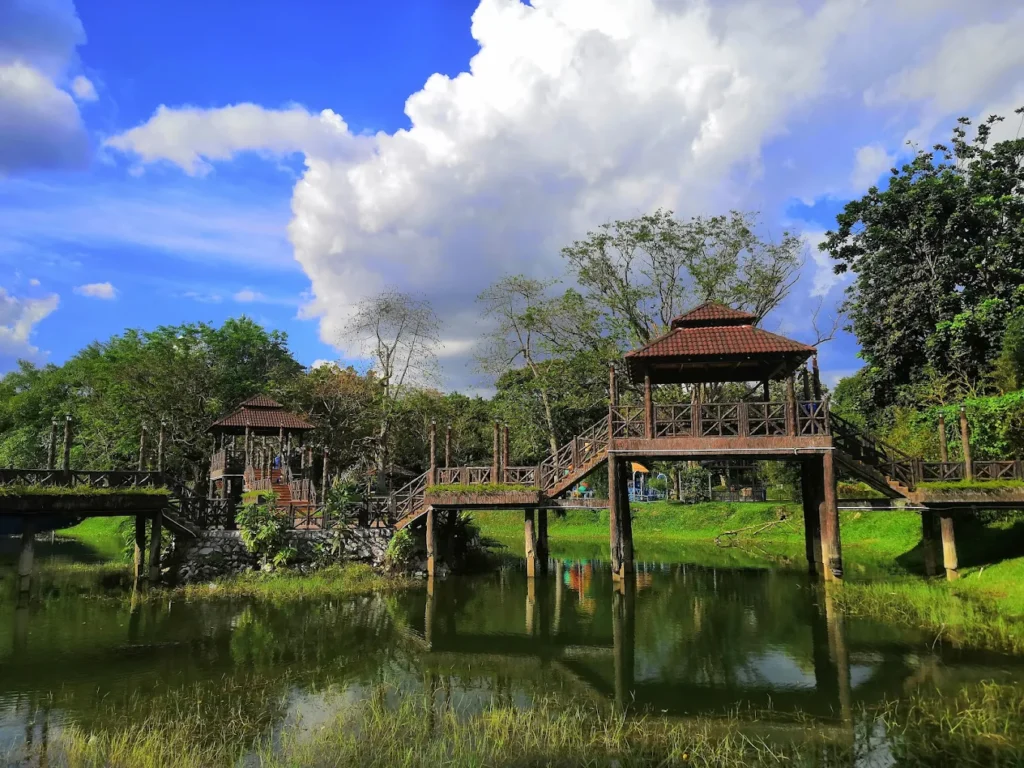
D.R. Seenivasagam Park
This central park features a Japanese garden, walking paths, playground, and a lake where you can rent paddle boats. It’s a nice spot to escape the heat and see locals exercising in the evening.
Stadium Perak
If you’re a football fan, catch a match at this stadium, home to Perak FC.
Cave Temples Around Ipoh
Ipoh’s dramatic limestone karst landscape is dotted with cave temples. These combine natural caves with Buddhist and Taoist temples, creating stunning and spiritual spaces.
Sam Poh Tong Temple
Located about 5km south of Ipoh, Sam Poh Tong is the largest cave temple in Malaysia. The temple was founded in 1912 by a Buddhist monk who meditated in the cave. Explore the main prayer hall inside the cave, then climb the stairs behind the temple to reach a beautiful garden with ponds, tortoises, and stunning views over the lake.
The temple is free to enter but donations are appreciated. It’s open from 8am-6pm daily.
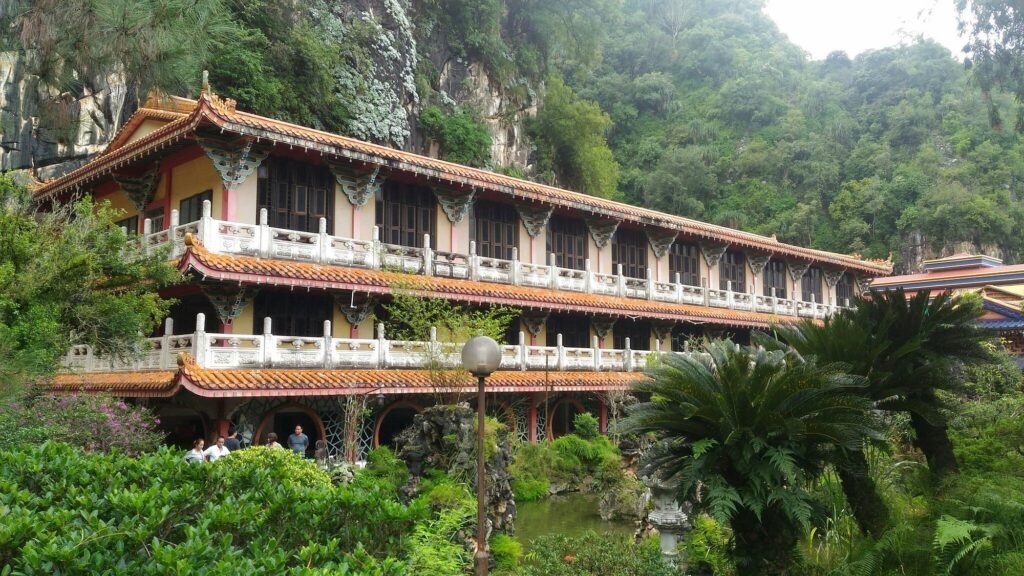
Kek Lok Tong Cave Temple & Zen Gardens
About 6km south of Ipoh, this temple complex features a dramatic cave temple, a peaceful zen garden, and a lake formed from a former tin mine. The cave has impressive stalactites and a large prayer hall. After exploring the cave, walk through the beautifully landscaped gardens and around the emerald lake.
Free entry, open 8am-6pm. There’s a vegetarian restaurant on site.
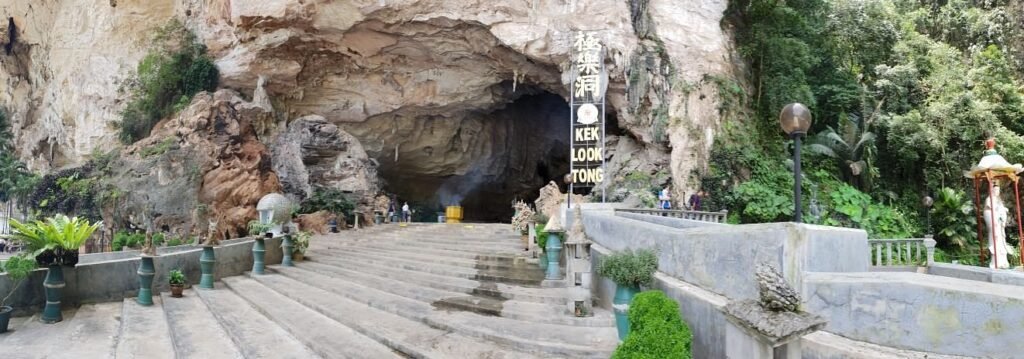
Perak Cave Temple (Perak Tong)
About 6km north of Ipoh, this temple is known for its challenging climb of 385 steps to reach a viewing platform with panoramic views. The cave temple itself contains over 40 Buddha statues and beautiful paintings. The murals were painted by Chinese artists in the 1960s.
Free entry, open 9am-5pm.
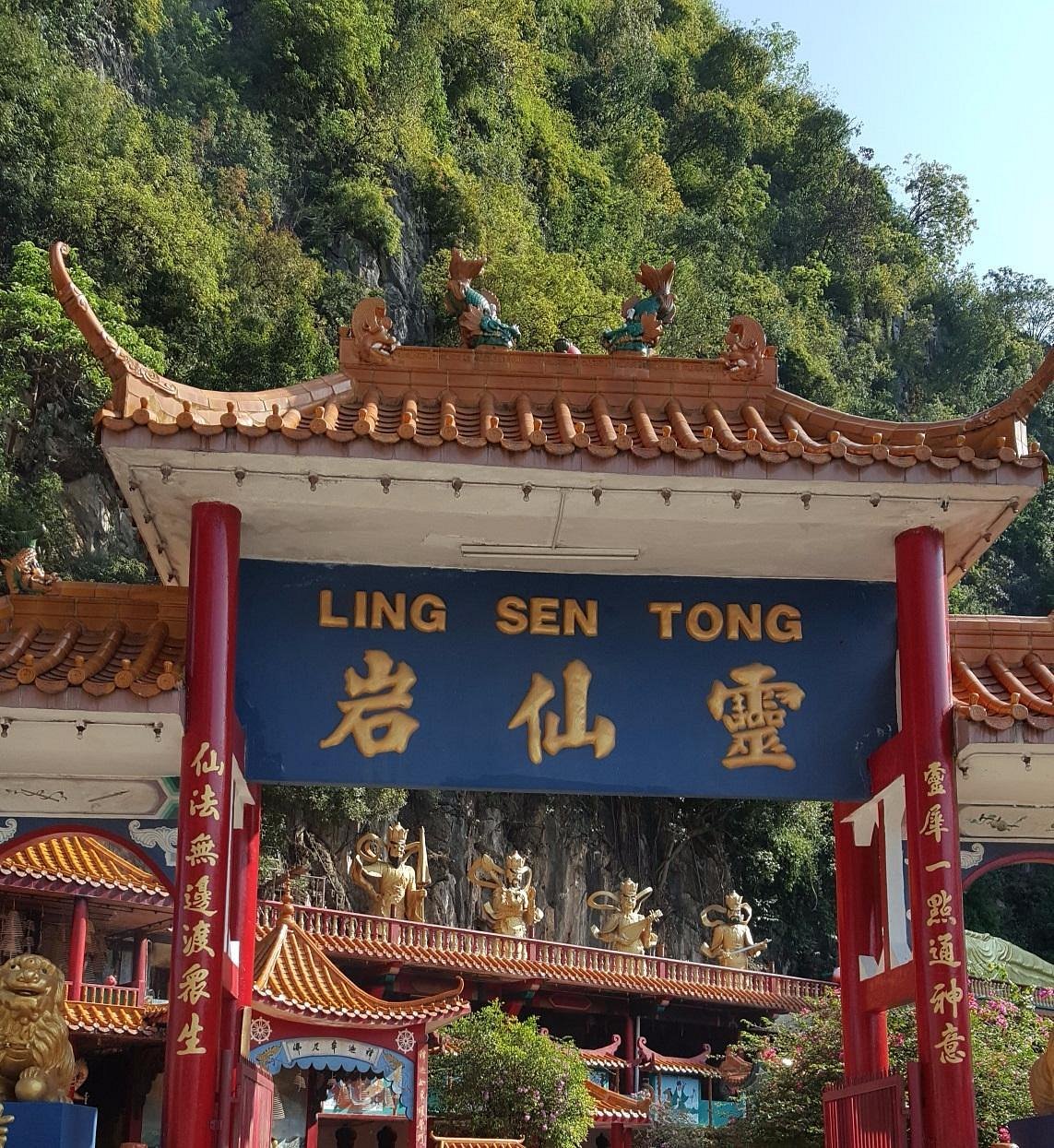
Ling Sen Tong Temple
Near Perak Cave, this smaller cave temple is less touristy and offers a more intimate experience. The cave features naturally formed stalactites and stalagmites alongside Buddhist statues.
How to Visit the Caves
The cave temples are spread out and not easily walkable from the city center. Your options:
- Grab/Taxi: Hire a Grab or taxi for a half-day tour of 3-4 caves. Should cost RM80-120 total.
- Tour: Join a guided tour that includes caves plus other attractions.
- Scooter: Rent a scooter if you’re comfortable riding (about RM30-40/day).
Outside the City Center
Kellie’s Castle (Kellie’s Folly)
About 20km south of Ipoh, this unfinished mansion is one of Malaysia’s most intriguing historical sites. Scottish planter William Kellie Smith began building this Moorish-Indian style castle in 1915, but he died suddenly in 1926 and the project was abandoned. Today you can explore the atmospheric ruins with their mix of architectural styles, secret passages, and rooftop views.
Entry is RM5 for adults. Open 9am-6pm daily. You’ll need a car, Grab (about RM40 one way), or tour to visit.
Gua Tempurung
About 25km south of Ipoh, this is one of Malaysia’s largest limestone caves, stretching over 3km. You can choose from several tour options ranging from easy (45 minutes walking) to extreme (4-5 hours with climbing, crawling, and wading through water). Book in advance and bring good shoes and a change of clothes for the adventure tours.
Lost World of Tambun
This theme park about 5km north of Ipoh features water slides, a wave pool, hot springs, a petting zoo, and a jungle area with tin mining activities. It’s great for families with kids. Tickets start at RM68 for adults.
Royal Belum State Park
For serious nature lovers, this pristine rainforest (one of the world’s oldest) is about 3 hours from Ipoh. It’s home to tigers, elephants, and rafflesia flowers. Accessible only by boat and requires permits and guide. Best as a multi-day trip.
Best Ipoh Tours and Deals
If you prefer organized tours or want to maximize your time, here are some good options:
- Ipoh Heritage & Food Tour: Half-day or full-day walking tours covering Old Town, street art, and food stops. Available on Klook and local tour companies.
- Cave Temples Tour: Visit 3-4 cave temples in half a day with transport and guide.
- Kellie’s Castle & Cave Tour: Combine Kellie’s Castle with cave temples in a day trip.
- Private Driver: Hire a driver for custom itineraries at your own pace, typically RM300-400 for a full day.
Book tours in advance on platforms like Klook, GetYourGuide, or through your hotel.
How to Plan Your Ipoh Itinerary
When helping travelers plan their Malaysia itineraries, I usually recommend spending 2 days and 1 night in Ipoh, though 1 day/0 nights is possible if you’re rushed.
One Day in Ipoh
If you only have one day:
- Morning: Explore Old Town (street art, railway station, colonial buildings). White coffee breakfast at Sin Yoon Loong or Nam Heong.
- Afternoon: Visit 1-2 cave temples (Sam Poh Tong or Kek Lok Tong recommended).
- Evening: Dinner in New Town, explore Concubine Lane at night.
Two Days in Ipoh
With two days, you can explore more thoroughly:
Day 1:
- Morning: Old Town exploration, street art, Han Chin Pet Soo museum
- Afternoon: Cave temples (visit 2-3)
- Evening: Sunset at Kek Lok Tong lake, dinner in Old Town
Day 2:
- Morning: Visit Kellie’s Castle
- Afternoon: Return to Ipoh for lunch, explore New Town or relax at D.R. Seenivasagam Park
- Evening: Night market (if timing works), farewell dinner
Three Days in Ipoh
With three days, add:
- Day trip to Gua Tempurung for caving adventure
- Visit Lost World of Tambun (great for families)
- Day trip to Royal Belum State Park
- Relax at Banjaran Hotsprings
- Food tour with multiple meal stops
Getting Around Ipoh: Old Town is very walkable. To reach New Town, cave temples, or surrounding attractions, use Grab (cheap and reliable in Malaysia), rent a scooter, or join a tour.
What to Eat in Ipoh
Ipoh is seriously one of Malaysia’s best food cities. The combination of excellent ingredients (particularly bean sprouts from the limestone-filtered water and Ipoh pomelos), skilled Hakka and Cantonese cooks, and centuries-old recipes makes Ipoh cuisine legendary throughout Malaysia.
Ipoh White Coffee
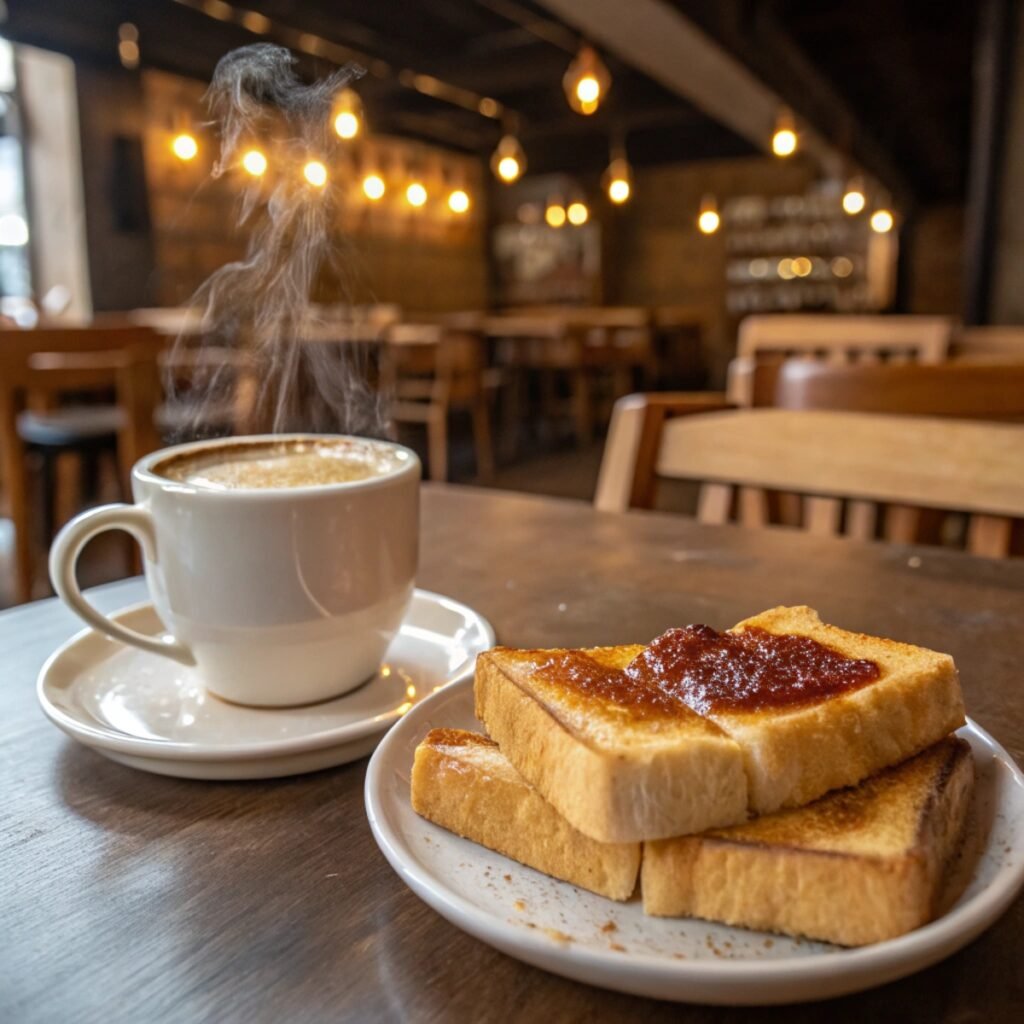
Ipoh is the birthplace of Malaysian white coffee, which gets its name from being roasted with palm oil margarine instead of sugar and wheat, creating a lighter color and smoother, less bitter taste.
Where to try it:
- Sin Yoon Loong (Old Town): The original white coffee shop, opened in 1937. Try it hot with kaya butter toast.
- Nam Heong (Old Town): Another classic kopitiam, famous for their egg tarts and chicken curry puffs alongside white coffee.
- Kedai Kopi Kong Heng (Kong Heng Block): Restored heritage coffee shop in a beautiful setting.
Ipoh Hor Fun (Flat Rice Noodles)
Ipoh’s signature dish features silky smooth flat rice noodles in clear chicken broth with shredded chicken and prawns, garnished with spring onions. The noodles are made with limestone-filtered water from Ipoh, giving them a uniquely smooth texture.
Best spots: Cowan Street (Jalan Bandar Timah), Thean Chun Coffee Shop, Restoran Lou Wong Tauge Ayam Kuetiau
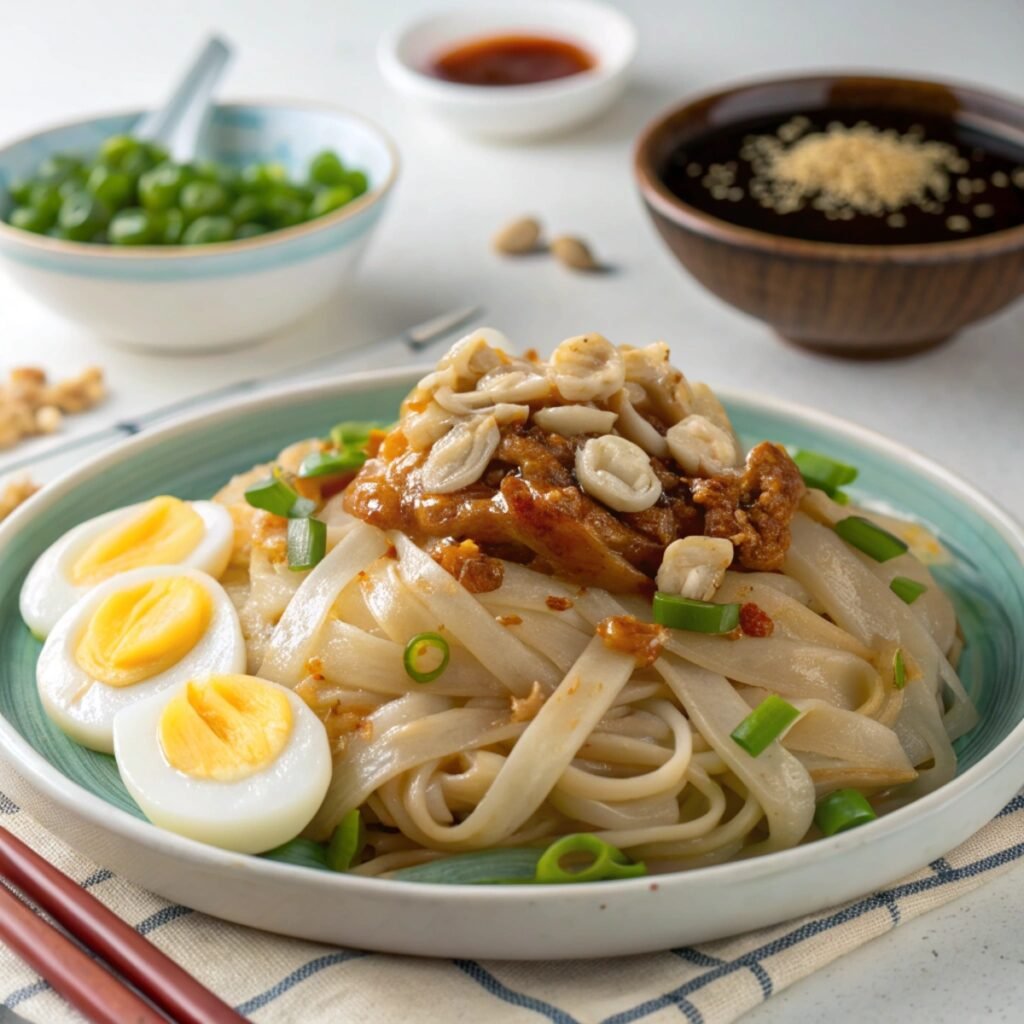
Tauge Ayam (Bean Sprouts Chicken)
Poached chicken served with crunchy bean sprouts (grown in Ipoh’s mineral-rich water), soy sauce, and flat rice noodles on the side. Simple but incredibly flavorful.
Famous places: Lou Wong Tauge Ayam Kuetiau, Onn Kee Tauge Ayam (both on Jalan Yau Tet Shin)
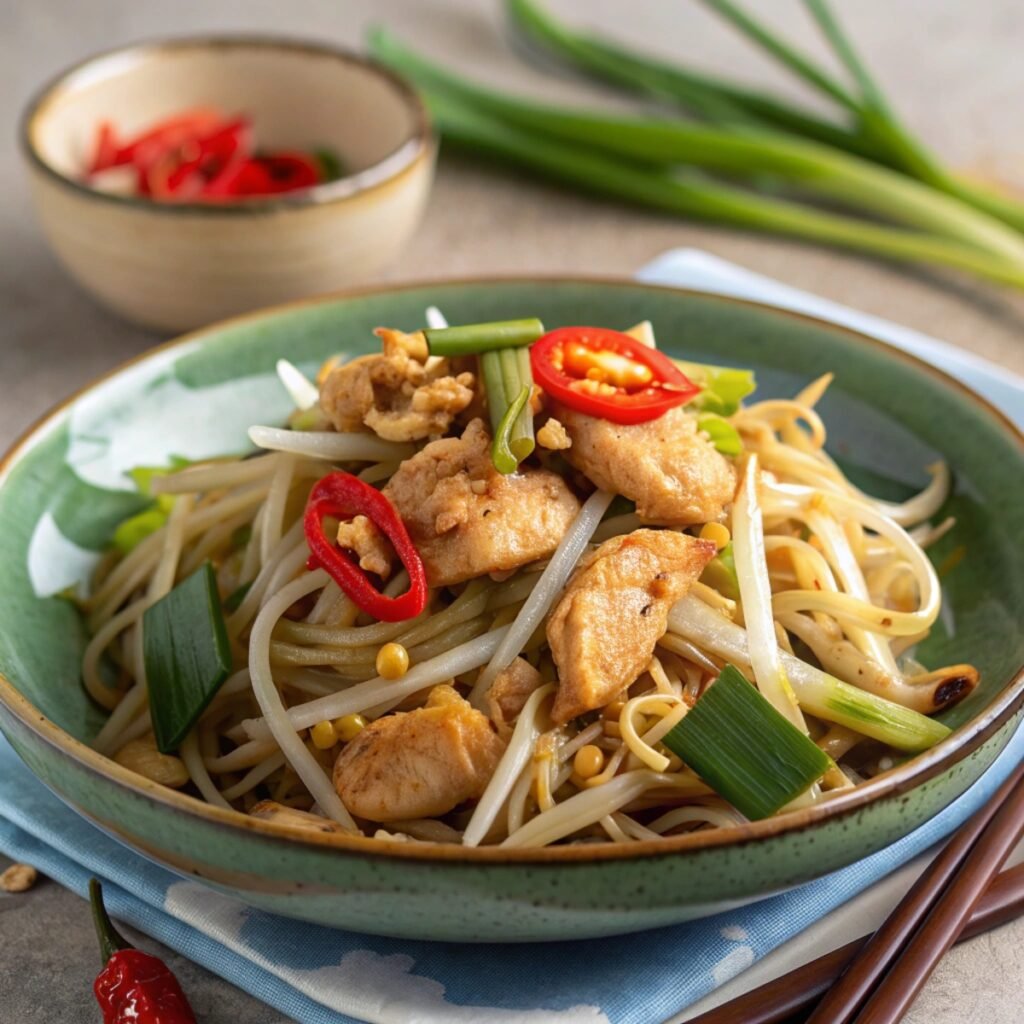
Dim Sum
Ipoh has excellent Cantonese-style dim sum. Go early (7-9am) for the freshest selection.
Top choices: Foh San Restaurant (Old Town – get there before 8am or expect a wait), Ming Court Hong Kong Dim Sum
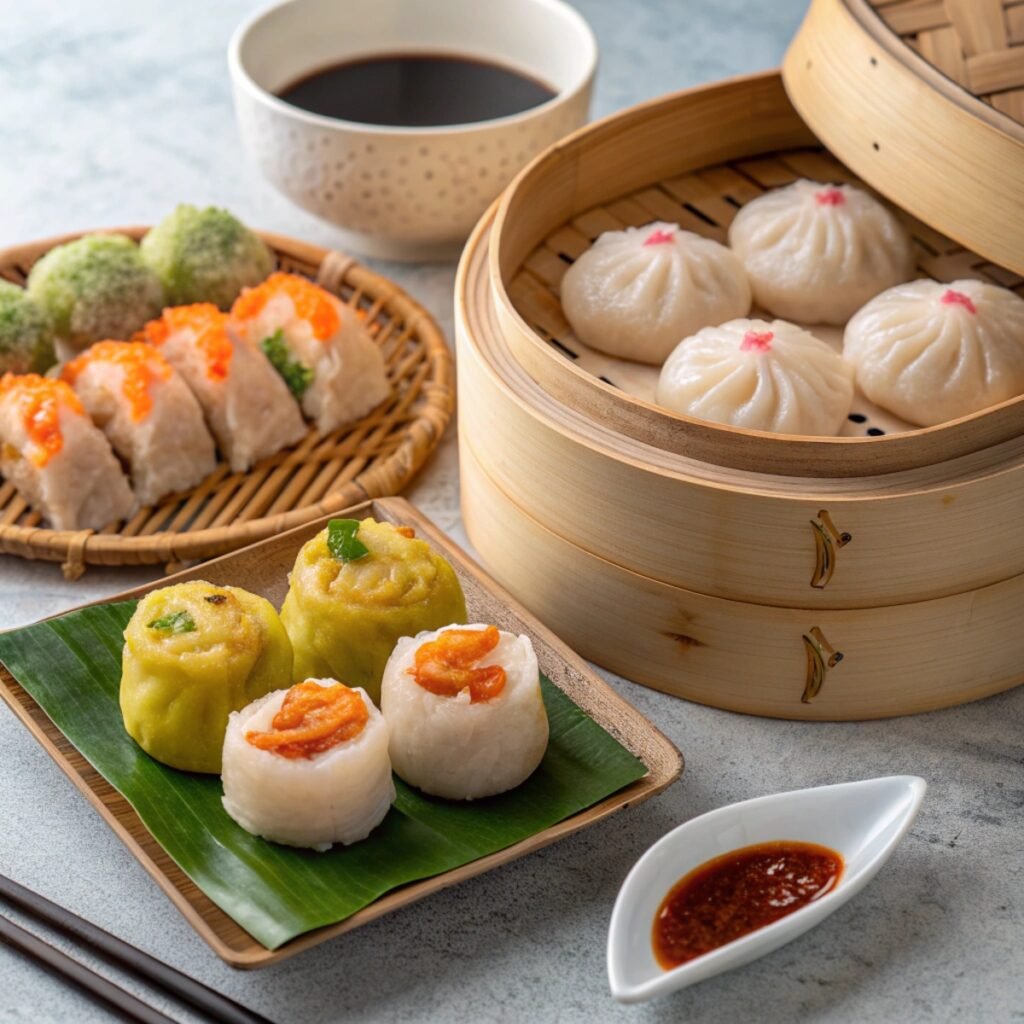
Hakka Mee
Springy egg noodles tossed with minced pork, lard, and spring onions, served with a side of soup. A Hakka Chinese specialty.
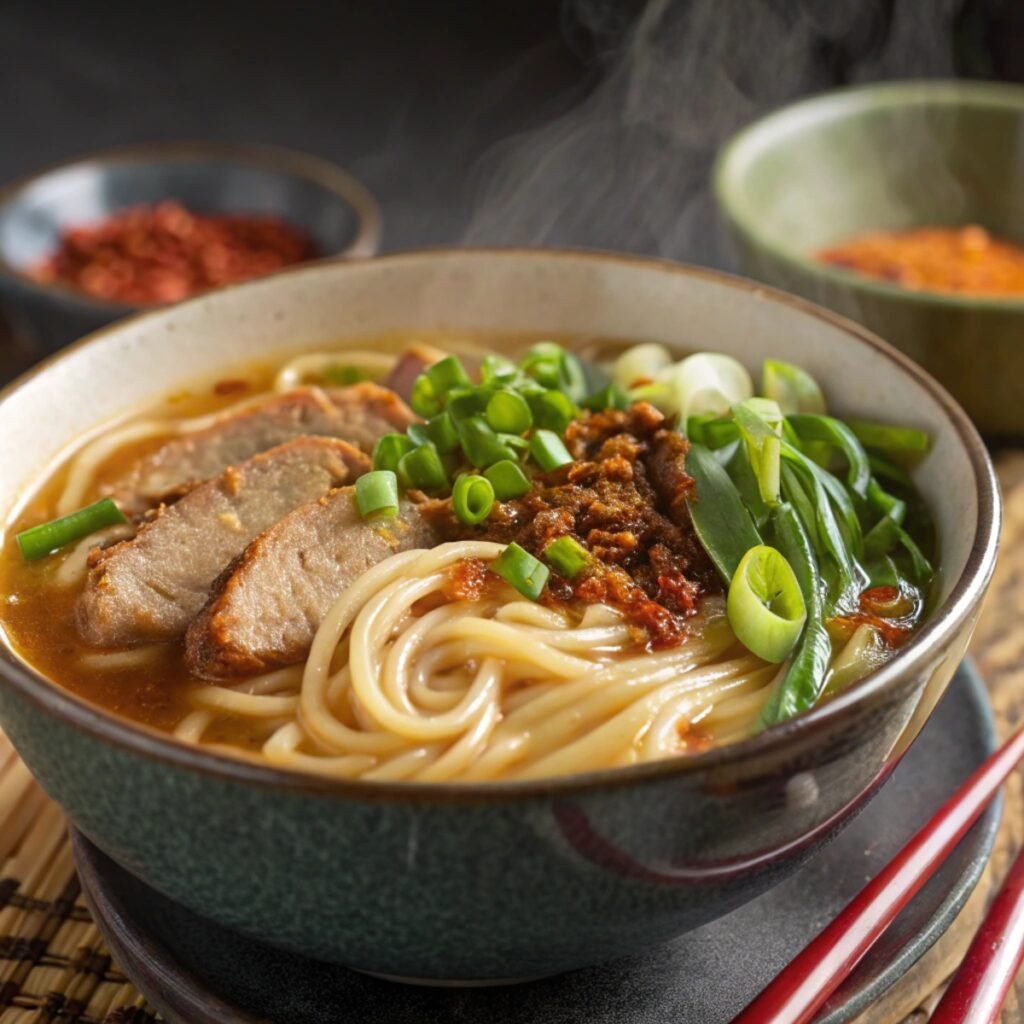
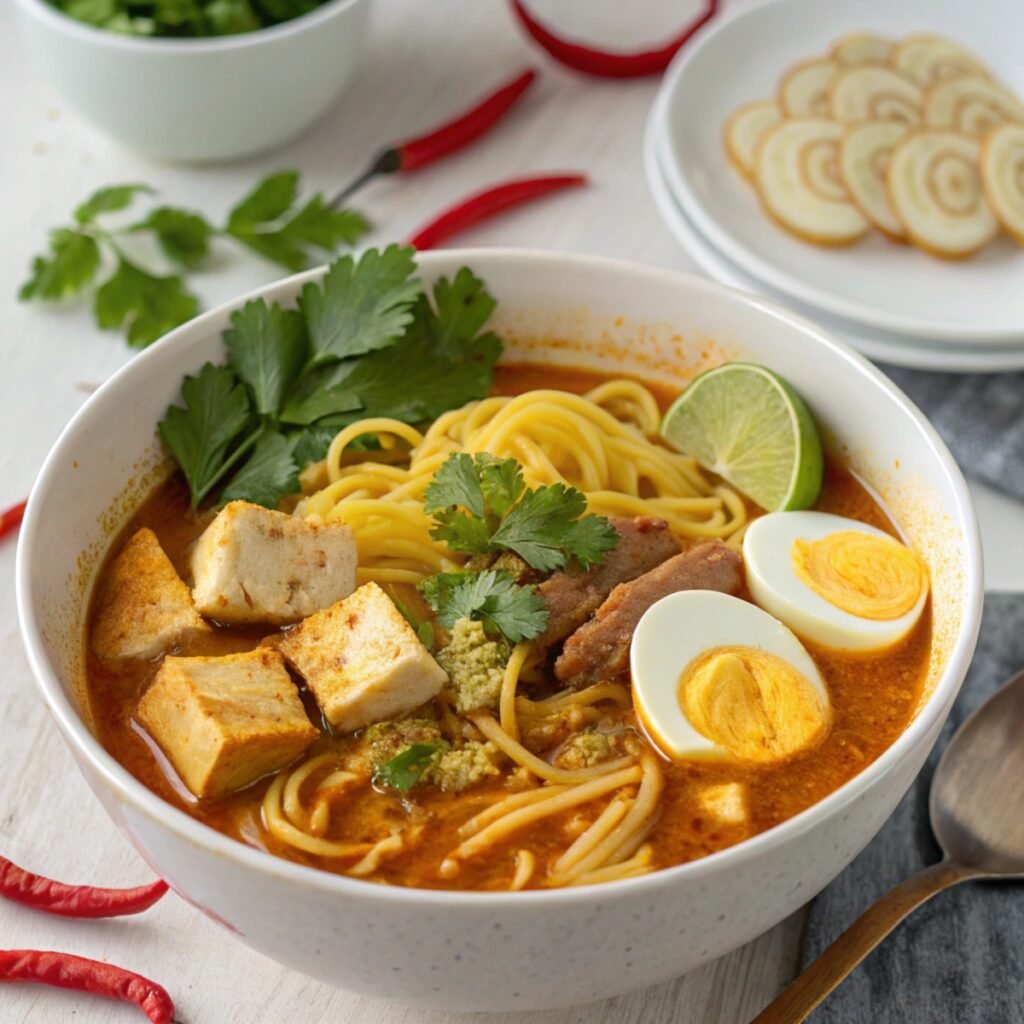
Curry Mee
Unlike the curry laksa you’ll find in Penang or KL, Ipoh curry mee features thick yellow noodles in coconut curry broth with chicken, prawns, tofu puffs, and cockles.
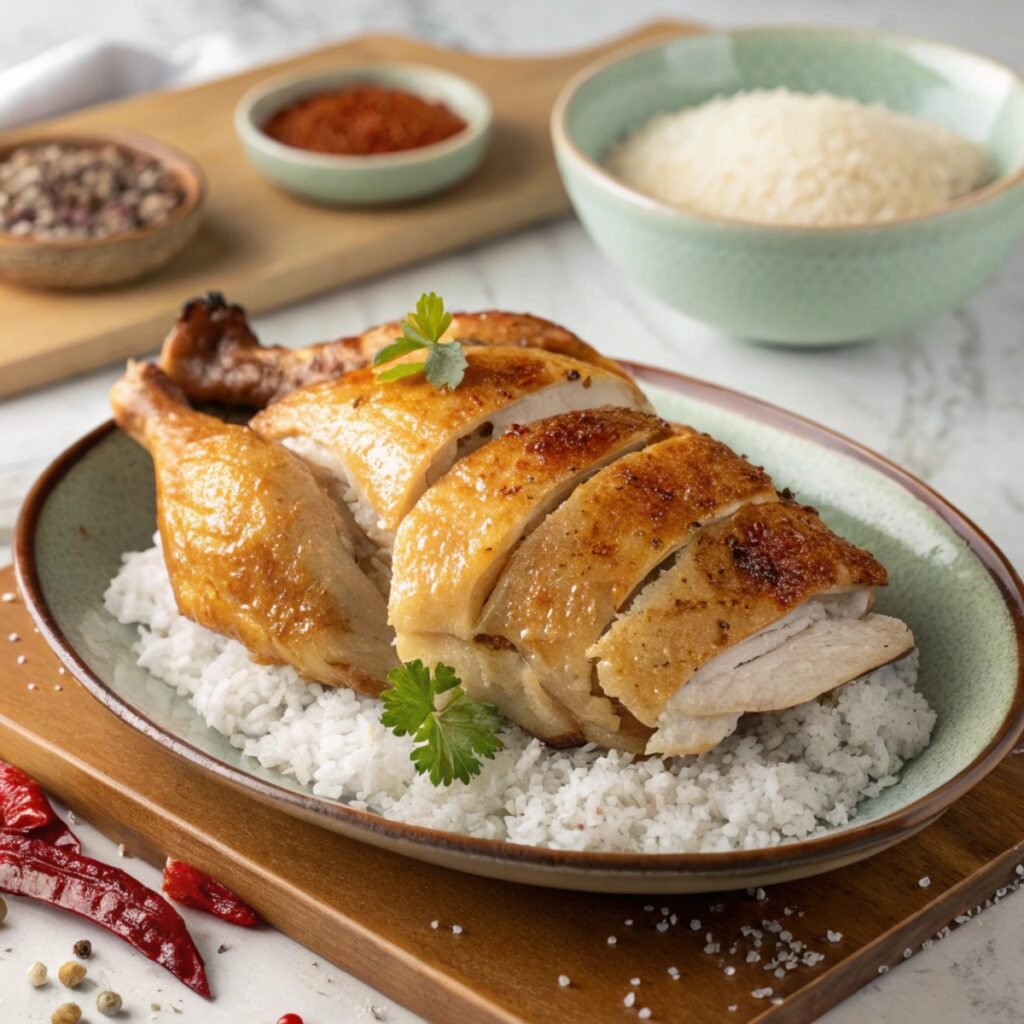
Salt-Baked Chicken
Another Hakka specialty – chicken marinated and roasted in a salt crust, resulting in incredibly tender and flavorful meat.
Try it at: Aun Kheng Lim Salted Chicken
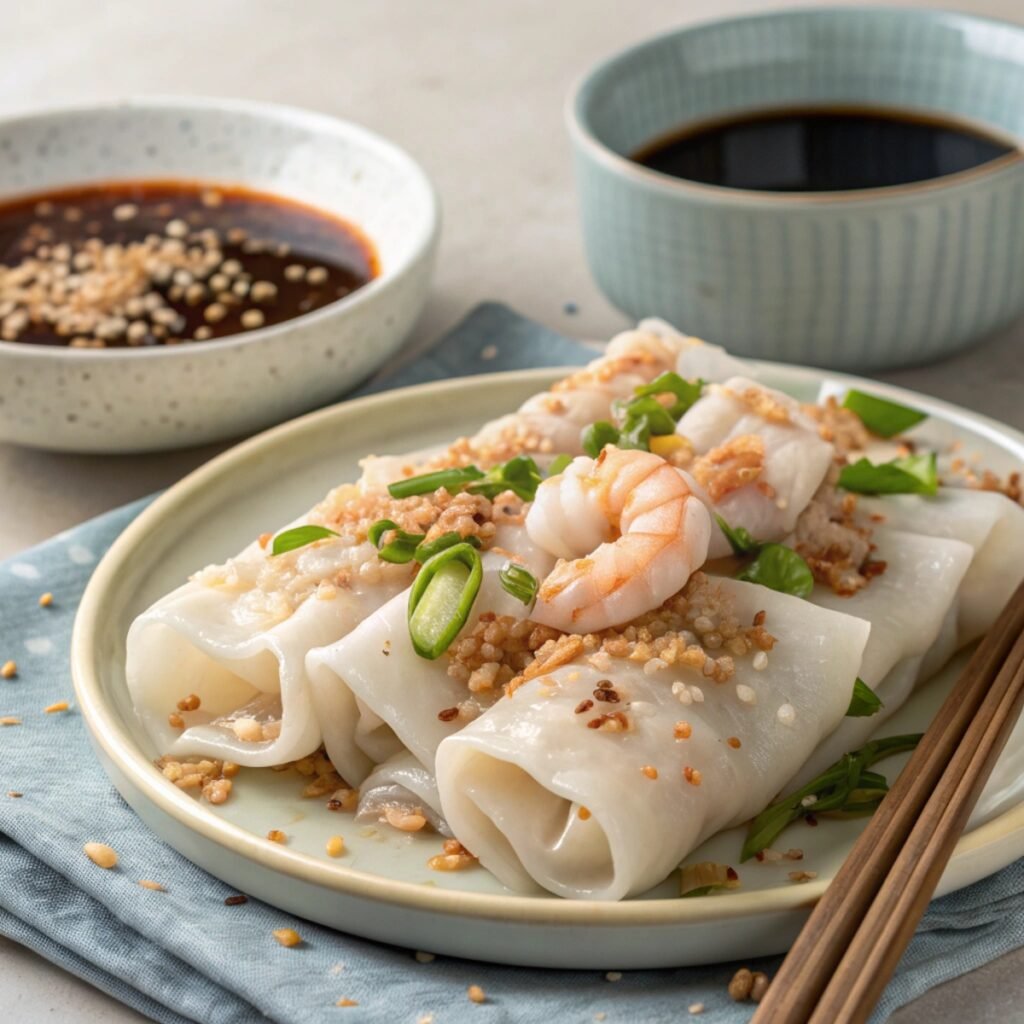
Chee Cheong Fun (Steamed Rice Rolls)
Silky rice noodle rolls with shrimp filling, topped with sweet sauce, sesame seeds, and sometimes chili sauce.
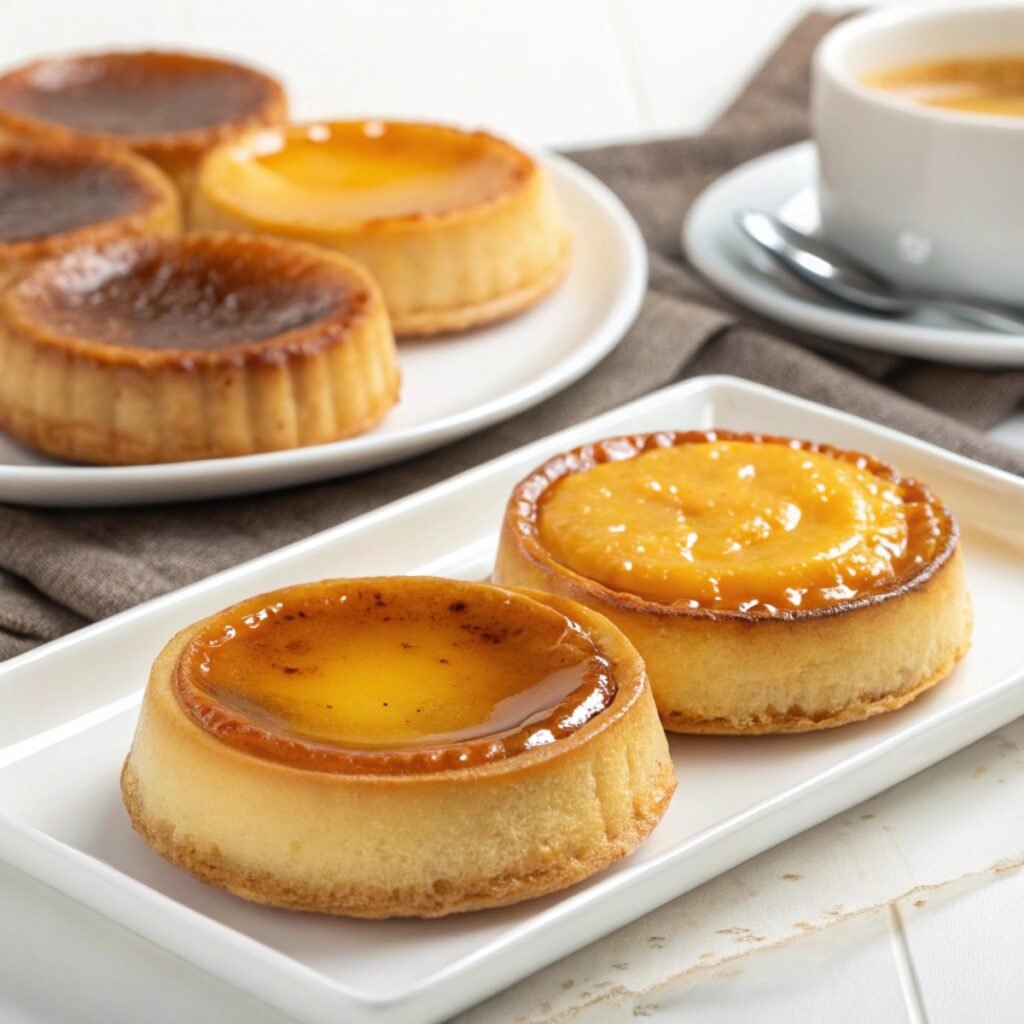
Caramel Custard & Egg Tarts
Ipoh is famous for its Portuguese-influenced egg tarts and silky smooth caramel custard.
Best at: Funny Mountain Soya Bean & Tau Foo Fah (also has excellent tau foo fah/silken tofu dessert)
Pomelo
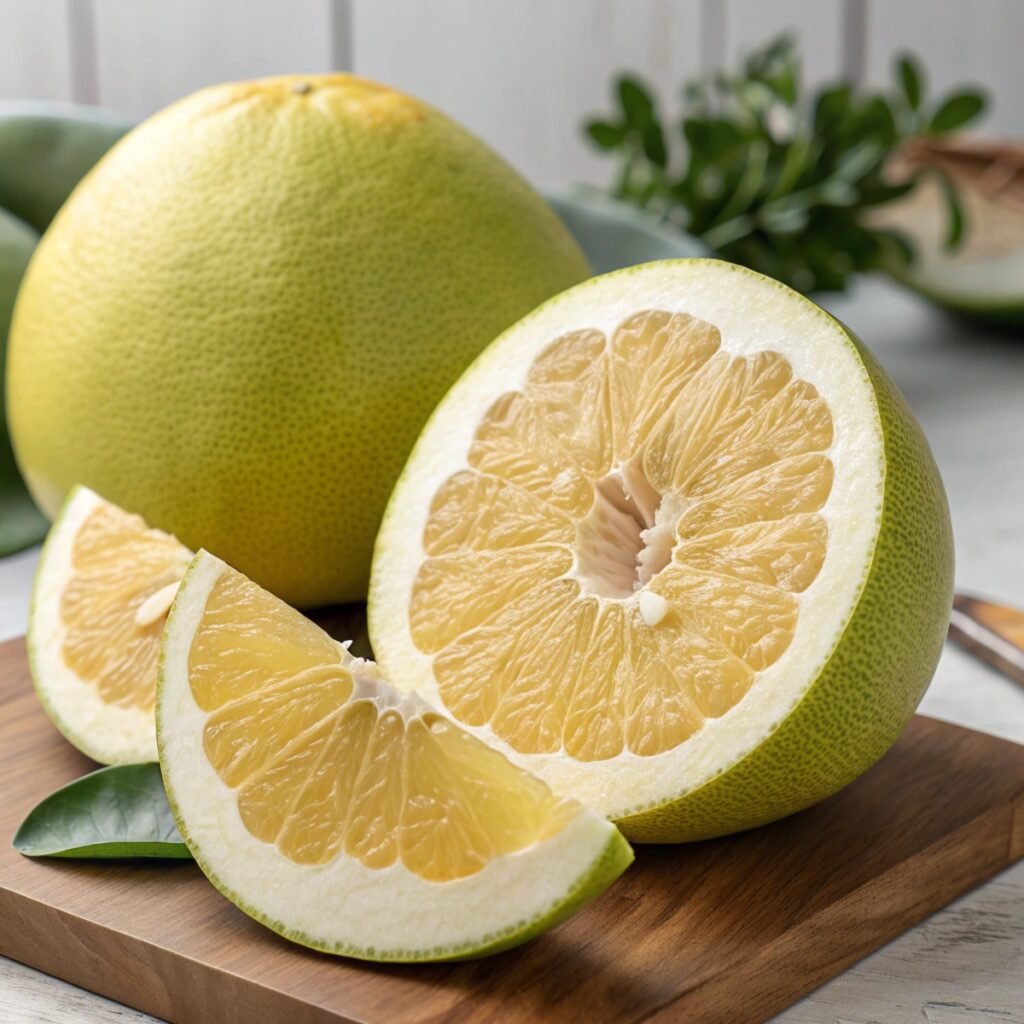
Ipoh pomelos are famous throughout Malaysia for being especially sweet and juicy. Buy them fresh at markets or try pomelo salads at restaurants.
Ice Cream Potong
Malaysian popsicles in flavors like durian, red bean, and coconut, sold from bicycles or carts.
Where to Eat by Area
Old Town:
- Jalan Bandar Timah (Cowan Street) – hawker stalls with hor fun, curry mee
- Kong Heng Block – hipster cafés and restaurants
- Concubine Lane – snacks and drinks
- Nam Heong, Sin Yoon Loong – white coffee and breakfast
New Town:
- Jalan Yau Tet Shin – tauge ayam street (Lou Wong, Onn Kee)
- Stadium area – night market and hawker stalls
- Jalan Pasir Putih – various restaurants
Pro tip: Most famous hawker stalls and kopitiams close by 2-3pm, so plan your meals accordingly. Many are also closed on certain days of the week (usually Mondays or Thursdays), so check ahead.
Ipoh Events & Festivals
Chinese New Year (January/February)
Ipoh’s large Chinese community celebrates with great fervor. Old Town is decorated with red lanterns, and there are lion dance performances. Many shops close for several days, so plan accordingly.
Thaipusam (January/February)
While not as grand as the Batu Caves celebration in KL, Ipoh’s Tamil community celebrates Thaipusam at the Kallumalai Temple with kavadi processions.
Wesak Day (May)
Buddha’s birthday is celebrated at the cave temples, particularly Sam Poh Tong and Kek Lok Tong, with special prayers, processions, and free vegetarian meals.
Ipoh International Run (Various Dates)
Annual running event with routes through Old Town and surrounding areas.
Ipoh Festival (Varies)
When it’s held, this festival features cultural performances, food stalls, and arts events throughout the city.
Mooncake Festival (September/October)
During Mid-Autumn Festival, Concubine Lane and Old Town come alive with lantern displays and mooncake vendors.
Best time to visit Ipoh: December to February for the driest weather and Chinese New Year festivities. March to October can be hot and humid with occasional rain. Avoid major Malaysian holidays (especially Hari Raya) when restaurants might be closed and accommodation prices surge.
Ipoh rewards slow travel and curious eaters. Unlike the frenetic pace of Kuala Lumpur or the tourist crowds of Penang, Ipoh offers a chance to experience authentic Malaysian culture and cuisine in a relaxed, charming setting. Whether you’re exploring cave temples at dawn, sipping white coffee in a 100-year-old kopitiam, or hunting down the best hor fun, Ipoh will leave you planning your return visit before you’ve even left.